
Spooky season is here: 40% off everything
The Halloween prep is ON. Door creaks... Footsteps approach... SCREA- Jokes, it’s only us coming thru with a hassle-free Halloween.
Kruk Garage Handcrafted Atelier

Remember that inexpensive backpack you bought last year? The one with the zipper that snagged, the strap that frayed, and the "water-resistant" fabric that surrendered in the first real downpour. It’s a familiar story. We often treat backpacks as disposable items, temporary containers destined for a short, functional life before being replaced. But what if a backpack could be more? What if it could be a reliable partner in your life's journey, gaining character with every trip and adventure?
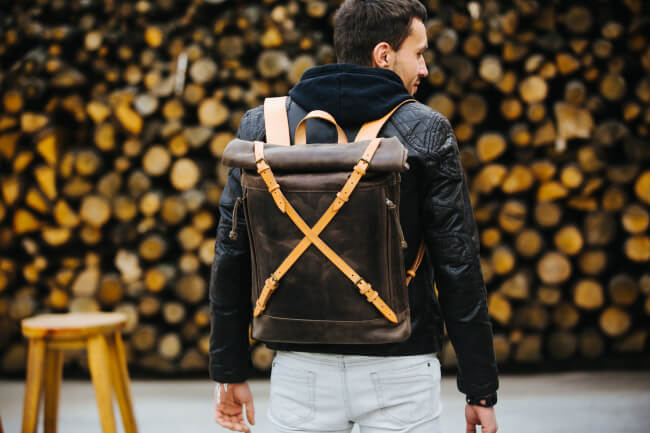 This isn't just about choosing leather over nylon or canvas. It's about understanding the profound difference between the world of mass-produced, trend-chasing accessories and the enduring value of true craftsmanship. This guide will explore the critical distinctions that separate a temporary purchase from a genuine investment, focusing on:
We believe a backpack should be built to last, not to be replaced. It's a philosophy of quality and heritage that we live and breathe here at KrukGarage, and one we want to share with you. Let’s dive in.
The foundation of any great backpack is the material it's made from. It's the very first choice an artisan makes, and it dictates everything that follows—from durability and function to the story the bag will tell decades from now.
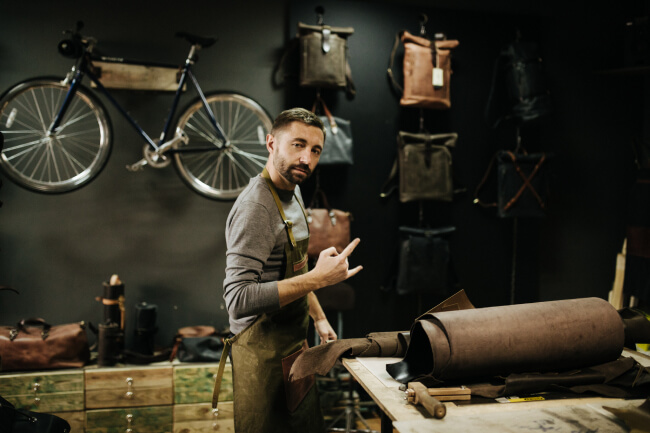 Imagine the most authentic, honest version of leather possible. That's full-grain. It is the highest grade of leather, taken from the very top layer of the hide. Crucially, it is not sanded or buffed to remove imperfections. Instead, it proudly displays the original grain, the scars, and the unique markings of the animal's life. This isn't a flaw; it's the signature of authenticity.
This integrity gives full-grain leather unmatched strength and durability. But its most magical quality is how it ages. Over years of use, it develops a stunning patina—a soft sheen and darkening of the leather that is completely unique to you. Every rainstorm, every sunbeam, every scrape on a foreign street adds to its character. This isn't wear and tear; it's a visual story of your life, etched into your most trusted companion. This is the standard we uphold at KrukGarage, because a backpack shouldn't just carry your things; it should carry your story.
As you move away from craftsmanship, materials become commodities, chosen for cost-effectiveness rather than character.
If the material is the soul of a bag, the construction is its bones. Here lies the vast, often invisible, chasm between a product made by a person and one made by a machine on a deadline.
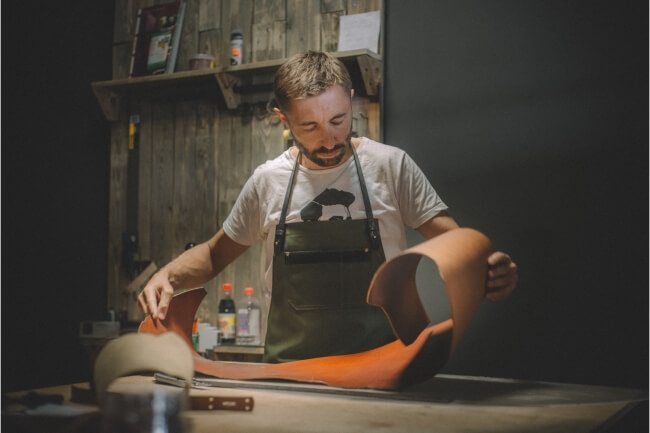 A handcrafted backpack is born from patience and intention. The process begins with an artisan carefully examining a full hide, not to hide its imperfections, but to strategically feature its unique character. Each panel is cut by hand, ensuring the strongest parts of the leather are used for critical stress points like shoulder straps and handles.
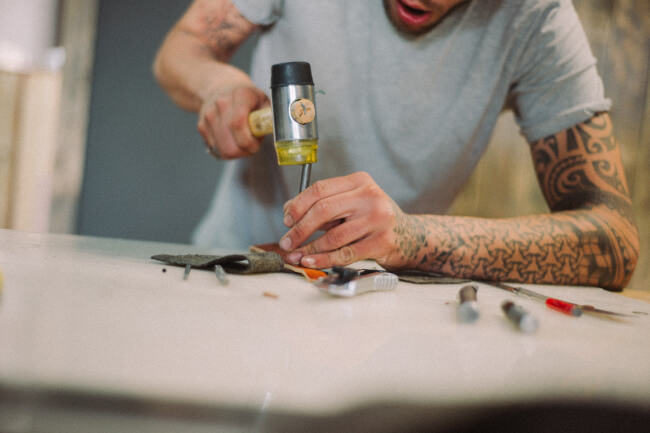
The true mark of this dedication is in the stitching. Artisans use a time-honored technique called saddle stitching. This method involves two needles passing through the same hole in opposite directions, creating a durable interlocking stitch. If one thread were to ever break, the other would hold the seam securely together. This is a level of security a machine simply cannot replicate.
This meticulous attention to detail extends to every component:
 The assembly line has one primary goal: maximum output at minimum cost. This philosophy applies universally, whether the factory is churning out cheap leather, nylon, or canvas bags.
The assembly line replaces the artisan’s skilled hand with the brute force of a machine. The most common point of failure is the lockstitch used by sewing machines. It’s a fast and efficient stitch, but it has a critical weakness: it’s formed by two threads locking together in the middle of the material. If the top or bottom thread breaks, the entire seam can quickly unravel like a zipper.
This obsession with speed creates a universal set of failure points common to nearly all mass-produced bags:
These aren't unfortunate accidents; they are the predictable outcomes of a system designed to produce items that are meant to be replaced, not repaired.
When comparing price tags, it’s easy to be tempted by the lower upfront cost of a mass-produced bag. But true value isn't measured on the day of purchase—it's measured over years and decades of reliable service. The choice is between a recurring expense and a one-time investment.
To understand the true cost, we need to think in terms of "cost per year." That $60 nylon backpack seems like a bargain until its strap anchor tears out a year later. The $80 "genuine leather" bag looks good until its painted finish starts flaking off after the first rainy season, revealing the cheap composite material beneath. When you're buying a replacement every one or two years, the math becomes clear. Over a decade, that "affordable" choice could easily cost you $350, $500, or even more. This cycle of repurchasing cheap goods is a financial drain disguised as savings.
This isn't just a financial issue; it's an environmental one. We live in a world of "throwaway culture," where products are designed with a built-in expiration date. Every discarded backpack—whether it’s non-biodegradable nylon, chemically-treated canvas, or delaminating "genuine leather"—ends up in a landfill. The resources, energy, and labor used to create it are wasted, and the cycle begins anew. Opting for a product built for longevity is a conscious step away from this wasteful paradigm. It's a commitment to owning fewer, better things—a philosophy that is both economically and ecologically sound.
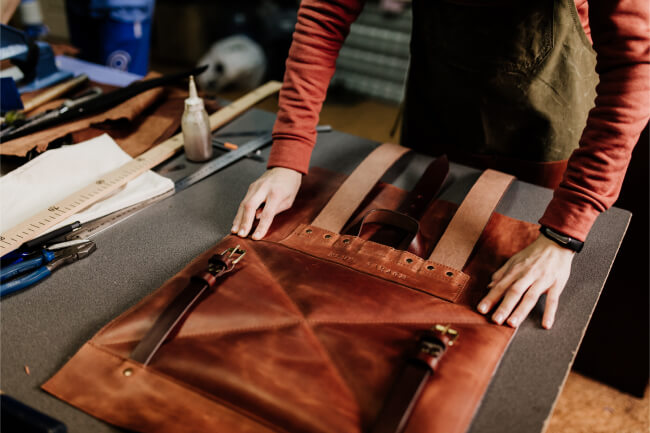 We encourage you to see a handcrafted leather backpack not as an expense, but as a lifelong asset. Its higher initial price is a one-time investment in decades of unwavering performance. It's a piece of gear that will accompany you through career changes, cross-country moves, and international adventures without ever failing.
More importantly, it is built to be maintained. This principle of repairability is a cornerstone of true craftsmanship. When a saddle-stitched seam eventually wears after thirty years of use, a leatherworker can re-stitch it. When a solid brass buckle gets damaged, it can be replaced. The bag's life can be extended indefinitely. Contrast this with a mass-produced item. A torn polyester panel or a broken zipper on a factory-made bag is a death sentence; the cost of repair, if even possible, often exceeds the item's original worth. It is, by design, disposable.
By choosing handcrafted, you are choosing a companion for life. It becomes more than an object; it becomes a repository of memories, its patina a map of your personal journey. This is the kind of value that money can't buy back. It's a legacy item, one that can be cared for, cherished, and even passed down—not just thrown away.
Beyond durability, a truly great backpack possesses a style that transcends seasons and fads. A handcrafted leather backpack is a masterclass in this kind of timeless design. Its clean lines, rich natural texture, and classic silhouette grant it an unparalleled versatility. It looks just as appropriate paired with a tailored blazer for a client meeting as it does with a field jacket on a weekend escape. This is a chameleon-like quality that other materials struggle to achieve. A single leather backpack can effectively replace multiple lesser bags, embodying a minimalist ethos of "buy once, buy well." It doesn't just match your outfit; it elevates it.
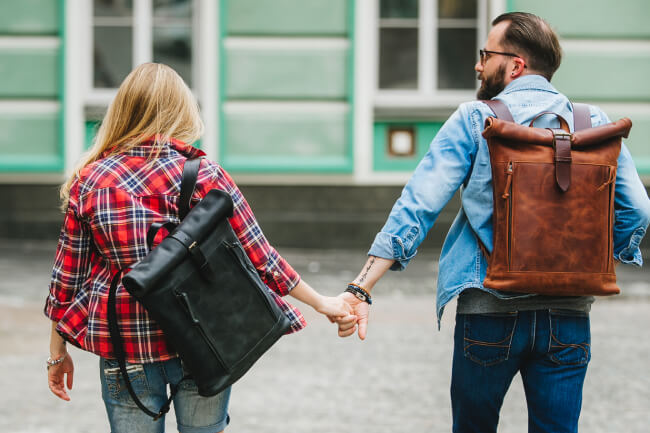
This is a stark contrast to the limited contexts of its mass-produced counterparts.
These bags are designed for a moment, a specific activity, or a fleeting trend. A handcrafted leather backpack is designed for your life. Choosing one is more than a practical decision; it's a statement. A KrukGarage backpack quietly communicates an appreciation for heritage, an eye for enduring quality, and a confidence that doesn't need to shout. It's a commitment to a style that, like the leather itself, only gets better and more personal with age.
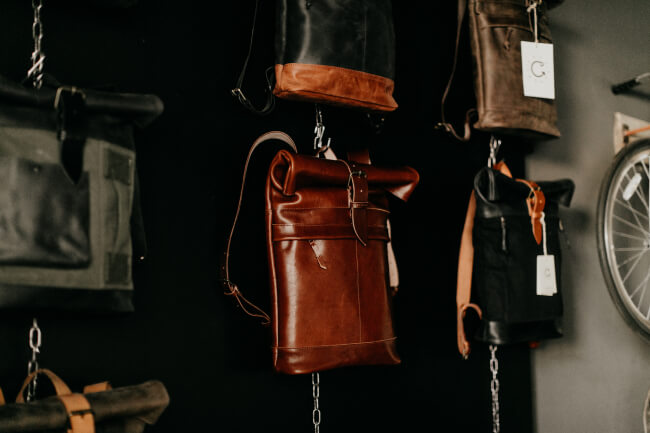 The choice, then, becomes clear. It’s the difference between rich, full-grain leather that builds character and materials that simply degrade. It’s the unbreakable promise of a hand-stitched seam versus the unraveling risk of an assembly line. It’s the wisdom of a lifelong investment against the hidden cost of disposable bags, and the quiet confidence of timeless style over the noise of passing trends.
Ultimately, choosing a handcrafted backpack is a deliberate act—a vote for quality over quantity, for sustainability over a throwaway culture, and for an object that tells your personal story.
Your next backpack shouldn't just be a purchase; it should be a companion for the road ahead. We invite you to explore the KrukGarage collection to find the one ready to carry your story.
The Halloween prep is ON. Door creaks... Footsteps approach... SCREA- Jokes, it’s only us coming thru with a hassle-free Halloween.

That’s right, there's biggest savings on your favorite comfy backpacks, stylish bags and exclusive professional accessories!

BIG news! KrukGarage has come with a massive drop of rolls *screams* They could be an amazing gift either for yourself or people you love.
You have successfully activated the promo code and now you can use it
This promo code is expired :(
But we can give you discount for 10%
Just enter
KRUKGARAGE10
in the promo code field.
Get the promo code to your email
Sign up for our newsletter and remain aware
of the latest updates and new in-stock items


